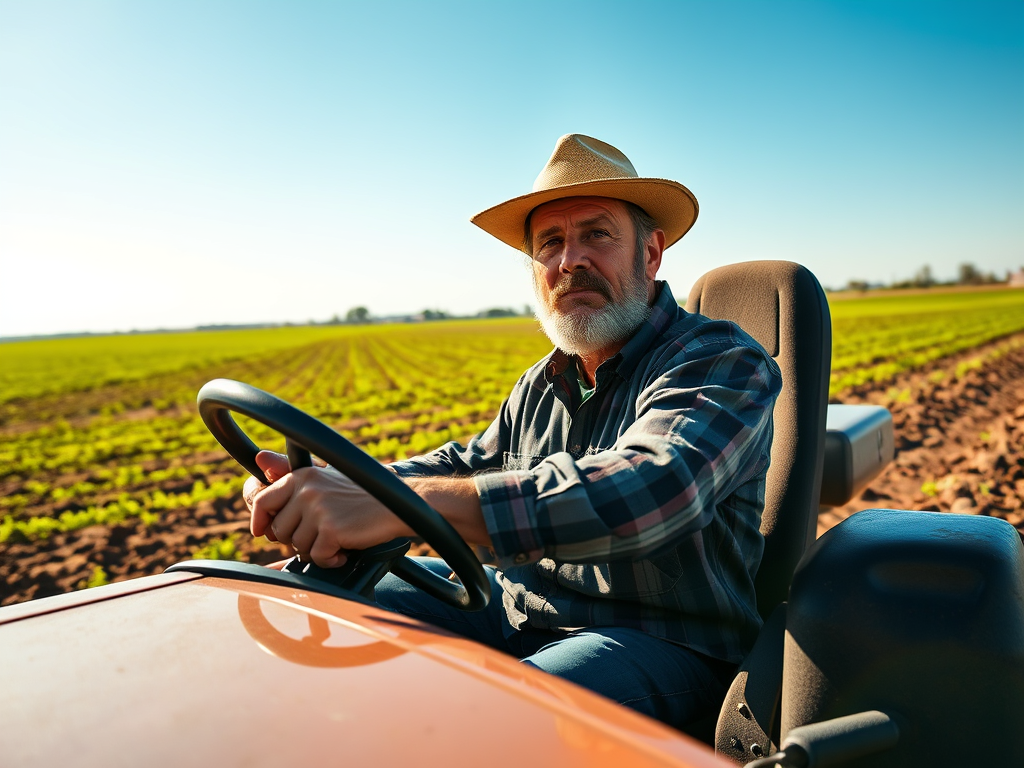
Marshall, Ill., farmer Don Guinnip knows he’s racing the clock. He’s 74, a fifth-generation farmer with two titanium hips and a past bout of prostate cancer, still getting up before sunrise to manage 1,000 acres of corn and soybeans and about 40 cattle. He figures he’s got maybe a couple more good years of this pace left. So he pulls his four siblings into the old family living room, beneath black-and-white portraits of Guinnips past, to talk about what happens when he can’t do it anymore—and about the very real possibility that, for the first time since 1837, no one named Guinnip will be working the land on Guinnip Road.
The obvious successors are gone. His son and daughter did what a lot of farm kids do now: went to college, built careers in pharmaceuticals and law, and settled in cities. His siblings made similar choices years ago. Guinnip is disappointed, but he’s not dramatic about it; to him, it’s just the way life broke.
At the same time, his family’s story is playing out all over rural America. There are fewer farmers than there used to be, and the ones who remain are older and stretched thin by rising costs and weak prices. Hundreds of farms filed for bankruptcy last year, and many of those still operating are leaning on government aid just to stay afloat.
When Guinnip thinks about where American farming is headed, he doesn’t like what he sees. He imagines a future dominated by contract-style operations, where farmers work land they don’t own, carry the debt and lose the pride that came with owning and caring for a place over generations. For now, though, he narrows his focus to something more immediate and manageable: getting through the next harvest.
Read more here.
 Sherin Shibu
Leave a comment